
The good in.… Wood be Good
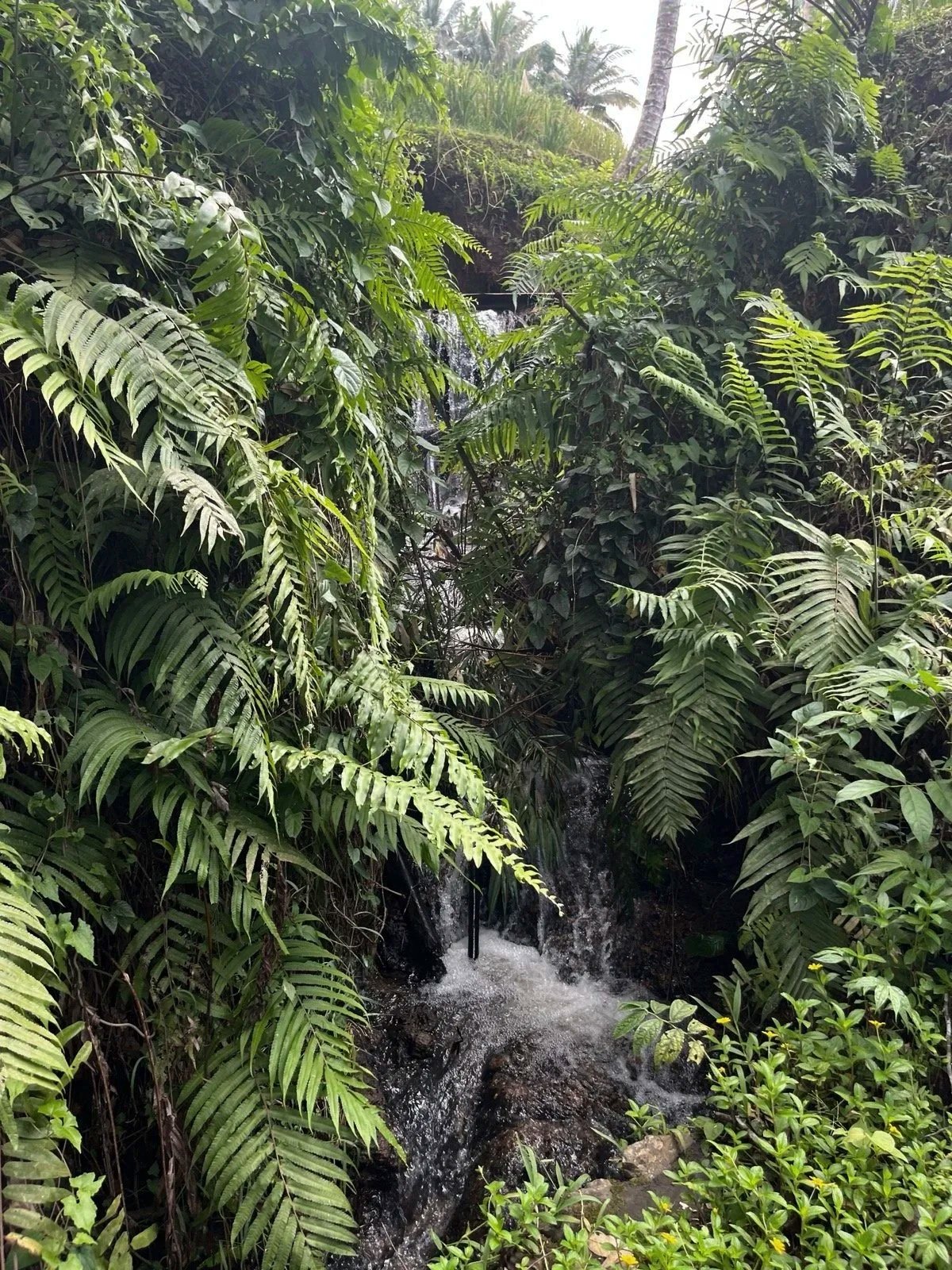
Environmental Impact
The most responsible material choice is often the simplest one.
Use what already exists.
Reclaimed Ulin and reclaimed Teak are recovered from structures that have already completed their first life - bridges, buildings and infrastructure across Borneo, Indonesia. No new trees cut. No forest cleared. No extraction triggered. By bringing that material back into use, we extend the life of what has already been taken and reduce the need to take more.
We leave more than we take.
Reclaimed hardwood does not require new logging or new forest to be cleared. It is exempt from the EU Deforestation Regulation because it falls entirely outside its scope, no new trees cut means no deforestation to regulate. Every piece we supply is FSC® Recycled 100% certified, independently verifying that it has been recovered from post-consumer or post-industrial sources.
We also move material across the world. That has an impact, in transport and processing, and we state it because we think that is the only honest way to work. We choose it because the alternative is cutting down what took hundreds of years to grow. Our LCA and EPD will give us the full picture. Until then, we say what we know and work to keep improving the balance.

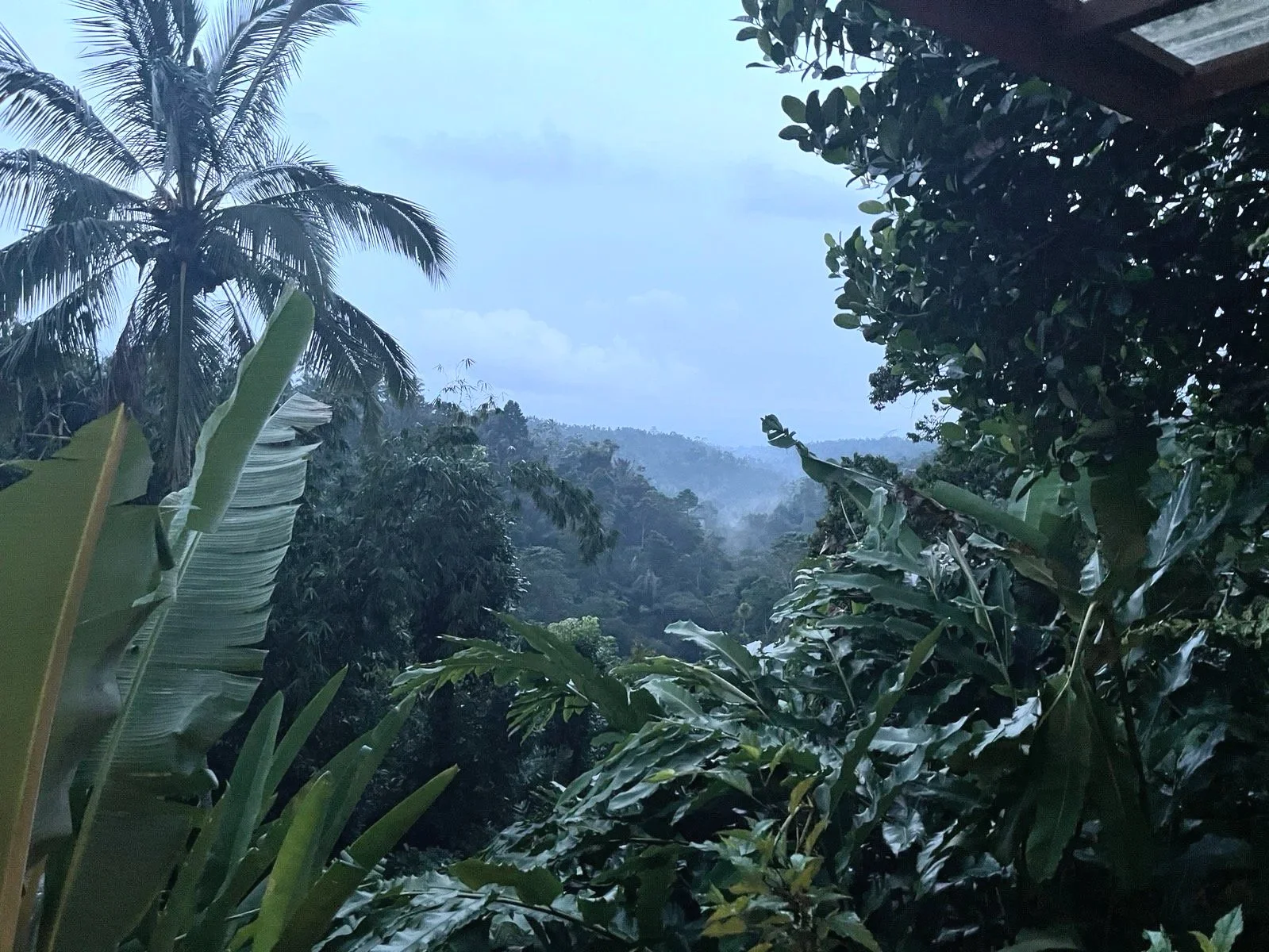
Local Impact
The communities where we source our material are not a backdrop. They are part of the work.
We work directly in the villages and areas where we source our material. That means being present, not as buyers passing through, but as people who want to understand what is needed and how we can best support the communities around us.
We do not arrive with a plan. We listen to the people who are already there. They know the land, the needs and the context better than we do. Our role is to show up, ask the right questions and respond to what we hear, with humility and without assuming we know best.
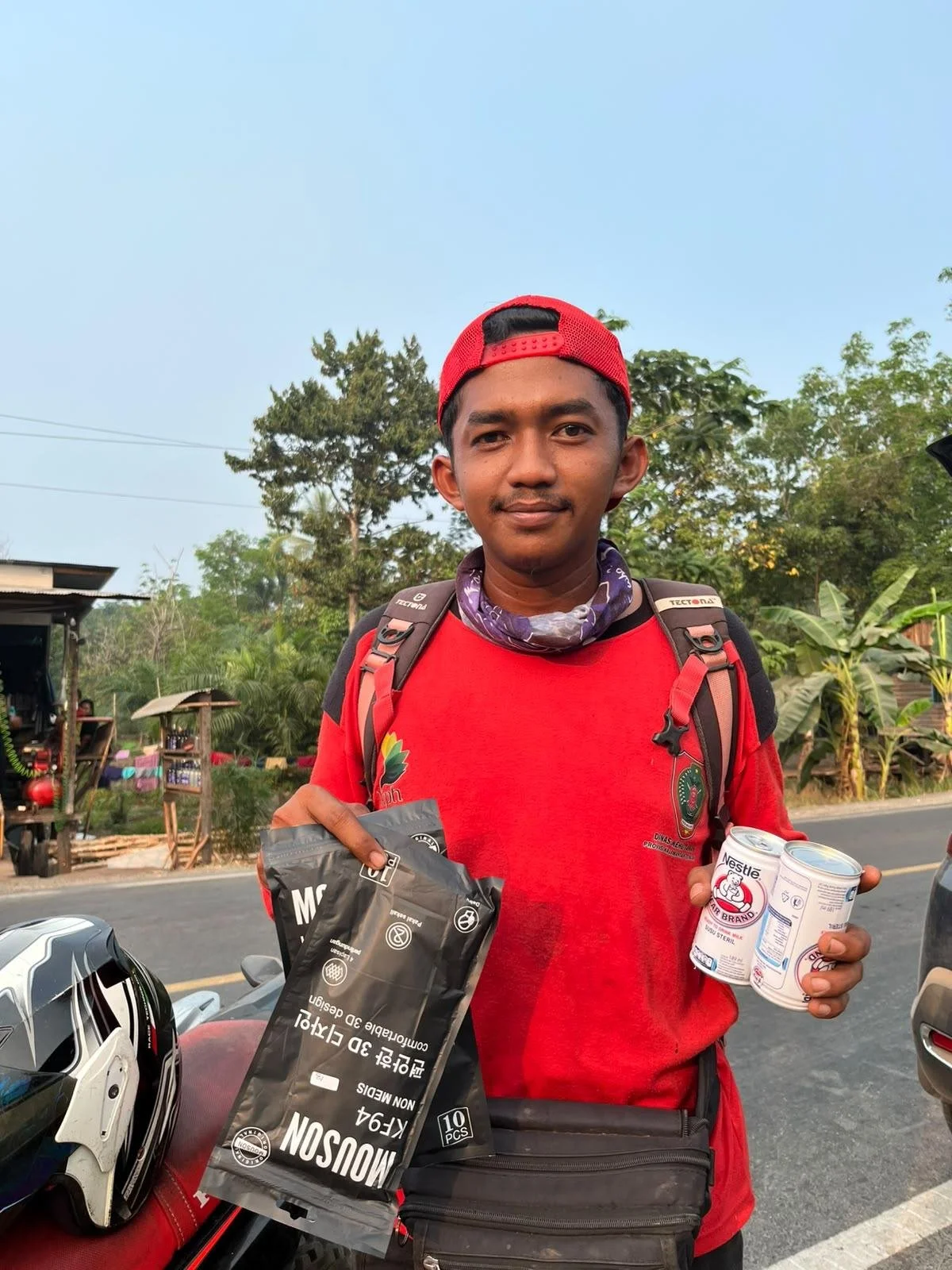
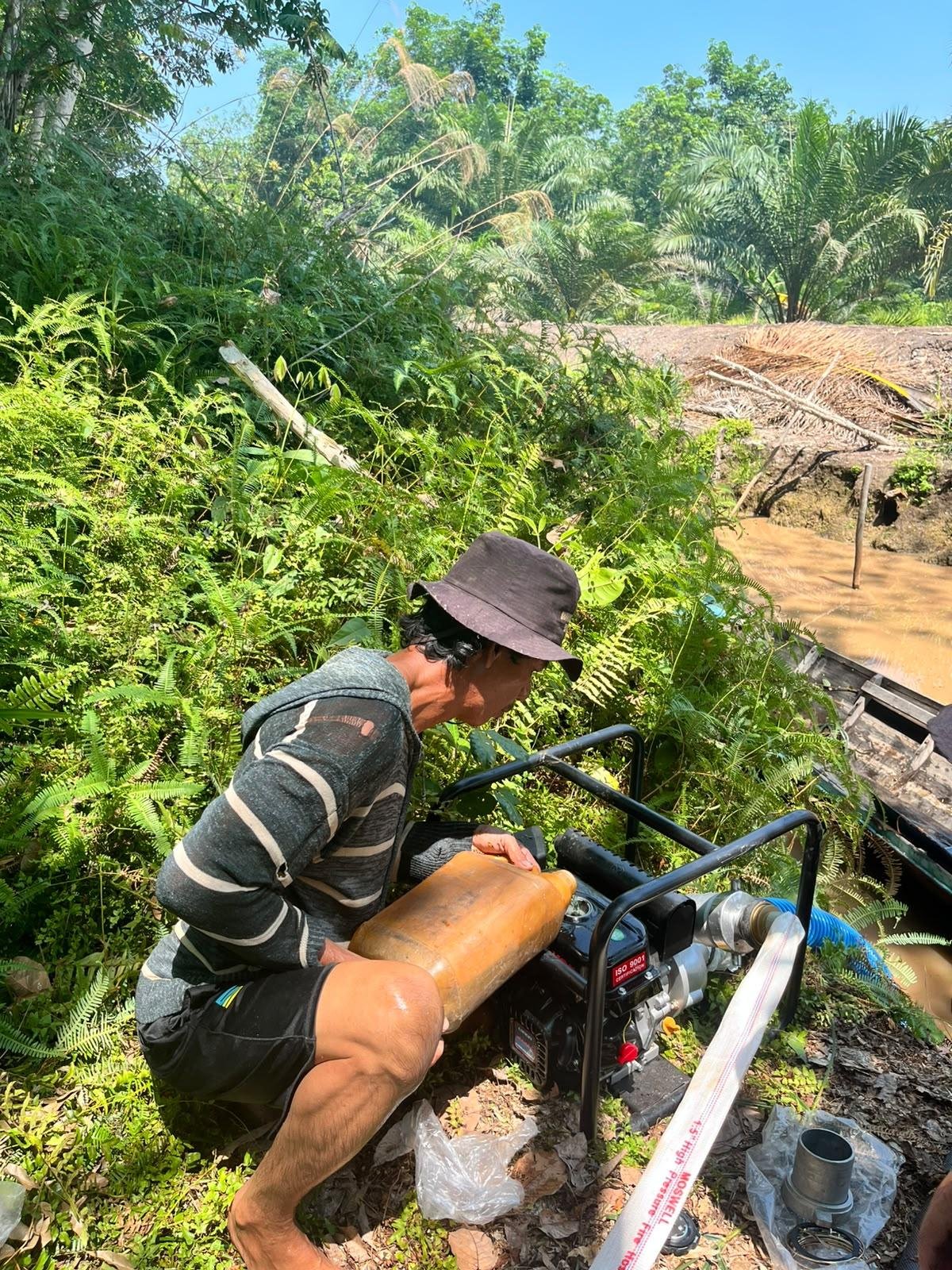
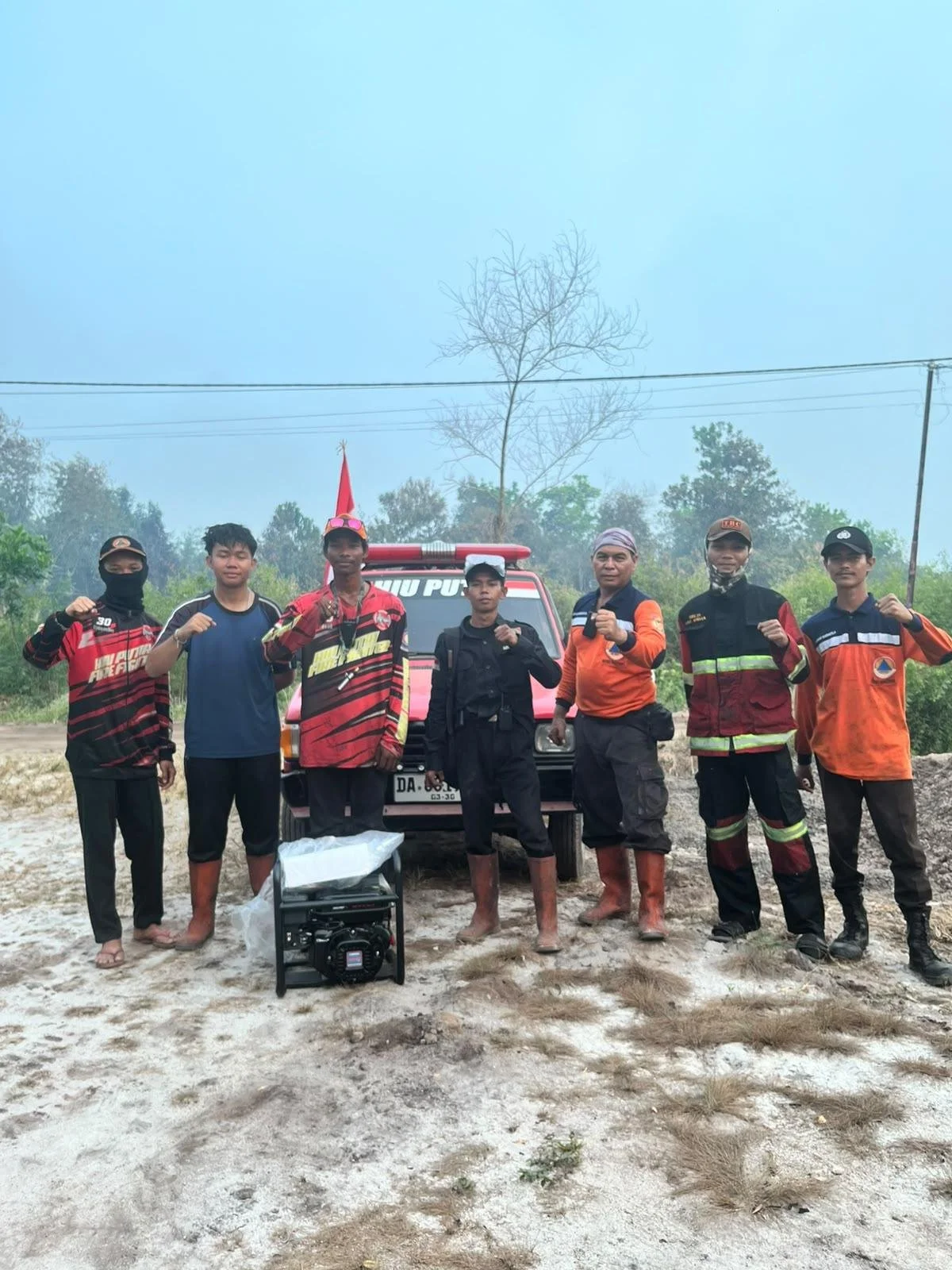
That also means being there when it matters most. When drought hits or forest fires threaten the areas where we work, we step in, not with a fixed programme, but with whatever support we are asked to provide.
We are building something long-term here. A connection to the places and people behind the material, one that goes beyond the transaction and stays when things get difficult.
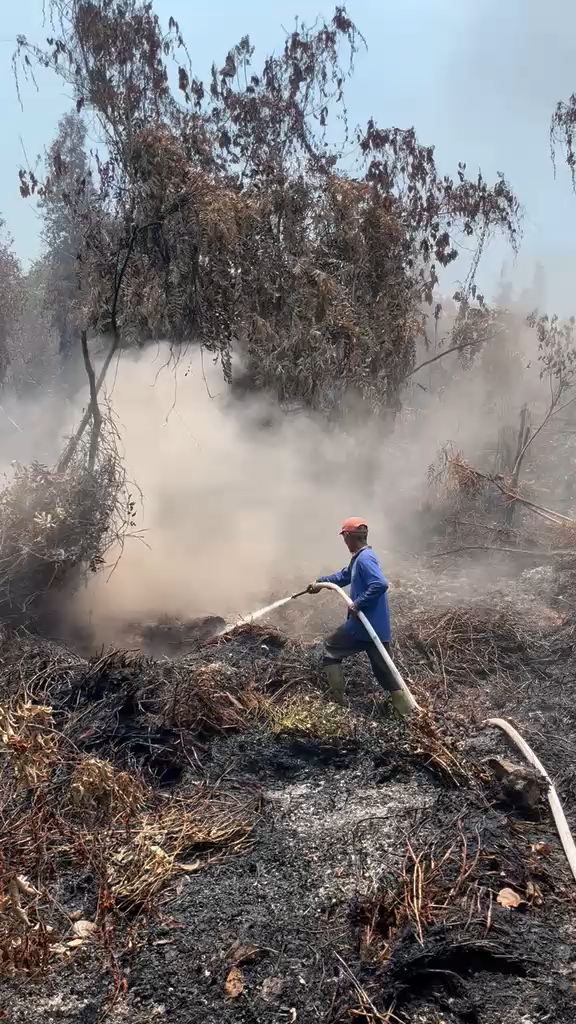
Recent example of our local impact
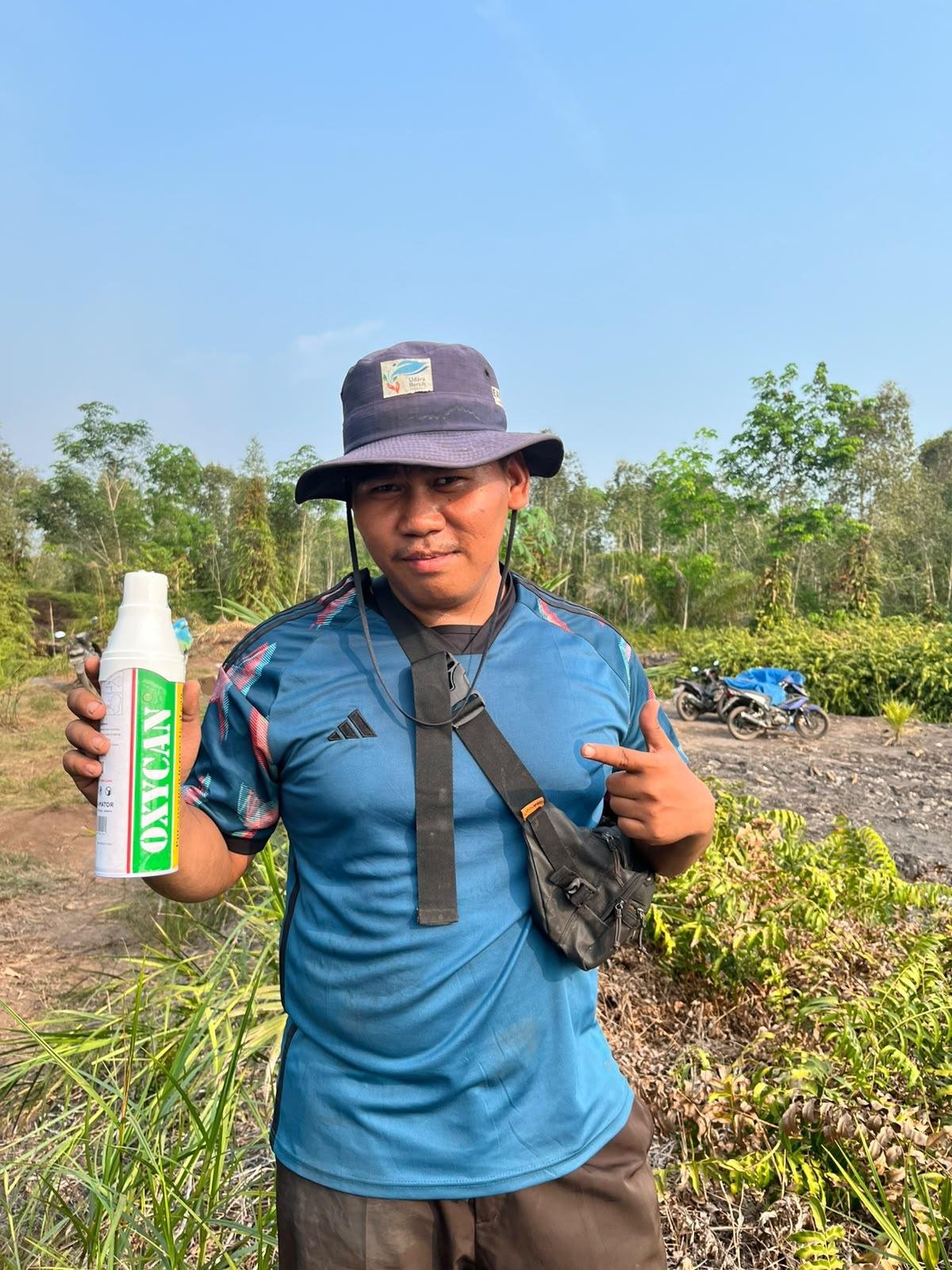
August 2026 Borneo, Kalimantan is battling wildfires. We have provided local firefighters with water pumps and other equipment needed to fight the fire in their area.
Social Impact
The work does not end when the wood moves.
Reclaimed hardwood does not come from a warehouse. It comes from a supply chain involving people - the salvagers, workers and communities in Indonesia who identify, recover and process the material before it reaches us. We take responsibility for that chain, not just the material it produces.
Every supplier we work with is held to our Supplier Code of Conduct, covering working conditions, fair treatment and shared responsibilities. The recovery and processing of reclaimed hardwood generates skilled work and income in the communities where the material comes from, and we work with partners who understand and share that responsibility.
Through our work in Indonesia, we also contribute to the replanting of natural forest in Borneo, Kalimantan, not plantations, but native species in ecosystems that need restoration. By creating demand for reclaimed material, we help shift focus from extraction to reuse and reduce pressure on the forests that still stand.
We do not yet have full quantified data on the social impact of our supply chain. That work is in progress. We measure what we do, not just what we avoid. The gap is part of the work.